Blood, Mud, and Shadows: Decoding Dark Fantasy vs. Grimdark
The literary world is currently obsessed with shadows. Gone are the days when readers demanded “happily ever afters” and knights in shining armor who never get mud on their tabards. Today, we want the mud. We want the blood. We want the crushing weight of a world that doesn’t care if the hero lives or dies.
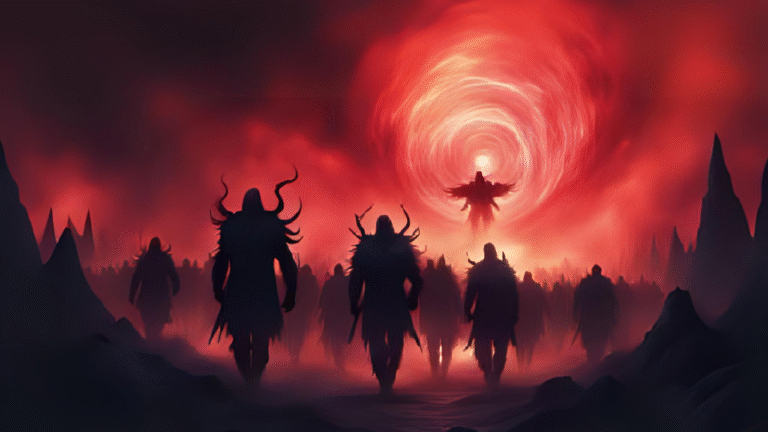
However, as we descend into these murky depths, a terminological war has broken out. In one corner, we have the atmospheric, often supernatural dread of dark fantasy. In the other, we have the nihilistic, visceral brutality of grimdark. To the casual observer, they might look like the same monster wearing different masks. But for the connoisseur of the macabre, the distinction between dark fantasy vs. grimdark is the difference between a haunted house and a slaughterhouse.
Defining the Shadow: What is Dark Fantasy?
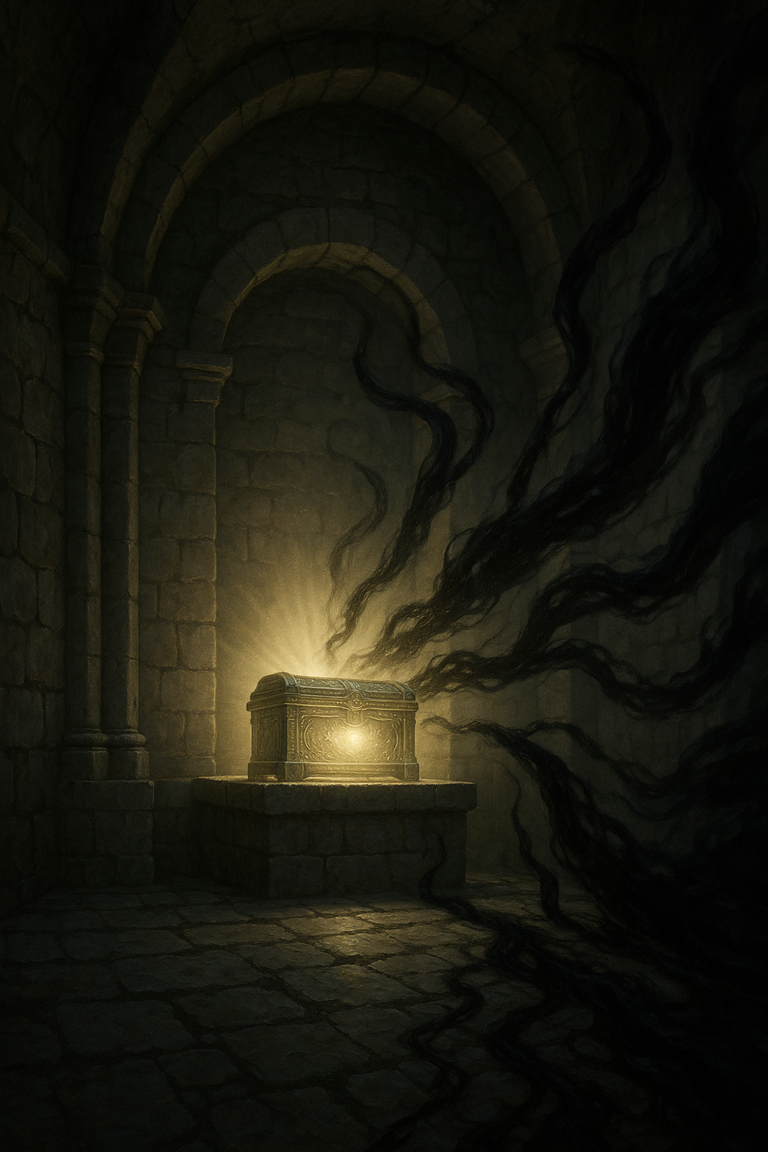
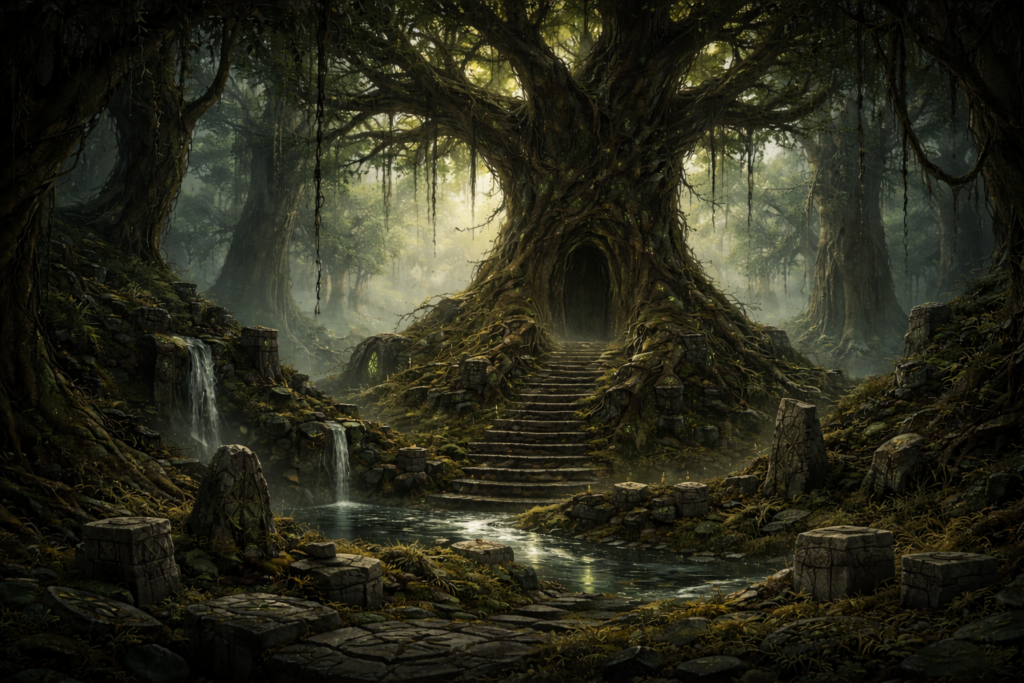
Dark fantasy is, at its heart, an aesthetic of atmosphere. It takes the traditional elements of fantasy—magic, mythical creatures, epic quests—and drenches them in a bucket of gothic horror. If high fantasy is a bright summer day, dark fantasy is the moment the sun slips behind the horizon and the woods start whispering.
In dark fantasy, the stakes are often cosmic or supernatural. You aren’t just fighting a corrupt king; you’re fighting a physical manifestation of nightmare. The “darkness” refers to the tone and the presence of horrific elements. Think of The Witcher or The Sandman. There is still room for heroism, even if that heroism is scarred and weary.
The Meat Grinder: What is Grimdark?
Grimdark isn’t just a subgenre; it’s a philosophical stance. Born from the “In the grim darkness of the far future, there is only war” tagline of Warhammer 40,000, it has evolved into a literary movement defined by realism pushed to its most cynical extreme.
In the debate of dark fantasy vs. grimdark, the latter is defined by the absence of “good” choices. Everyone is at least 30% villainous, the “hero” is usually just the person who kills the least amount of innocent people, and the ending rarely involves a victory—it involves survival. Think Joe Abercrombie’s First Law or George R.R. Martin’s A Song of Ice and Fire. It’s about the grit under the fingernails and the moral bankruptcy of power.
The Key Differentiators: Where the Lines Blur
To truly understand the “aesthetic” comparison, we have to look at how these genres handle specific tropes.
1. The Moral Compass
In dark fantasy, there is usually a “right” thing to do, even if it’s incredibly difficult or terrifying to achieve. The moral compass exists; it’s just spinning wildly in a haunted forest.
In grimdark, the moral compass was traded for a bottle of cheap ale three chapters ago. Characters are driven by self-interest, survival, or revenge. If a character does something “good,” it’s often an accident or comes with a horrific price tag.
2. The Role of Magic
- Dark Fantasy: Magic is often the source of the horror. It is ancient, unknowable, and carries a heavy atmospheric weight.
- Grimdark: Magic is usually rare, dangerous, or physically taxing. It’s used as a weapon, and like any weapon, it’s messy and unfair.
3. The Resolution
This is the ultimate test of dark fantasy vs. grimdark. A dark fantasy novel might end with the monster being defeated, though the protagonist is forever changed by the trauma. A grimdark novel ends with the protagonist realizing they’ve become the monster, or simply dying in a ditch while the world continues to rot.
Why the Distinction Matters for Readers and Writers
If you are a writer like those featured on CLKanauthor.com, you know that tone is everything. Mixing these up can lead to a “tonal whiplash” that alienates your audience. A reader looking for the eerie, magical dread of dark fantasy might be repulsed by the unrelenting nihilism of a grimdark battle scene. Conversely, a grimdark fan might find the “hope” in dark fantasy to be a bit too sentimental.
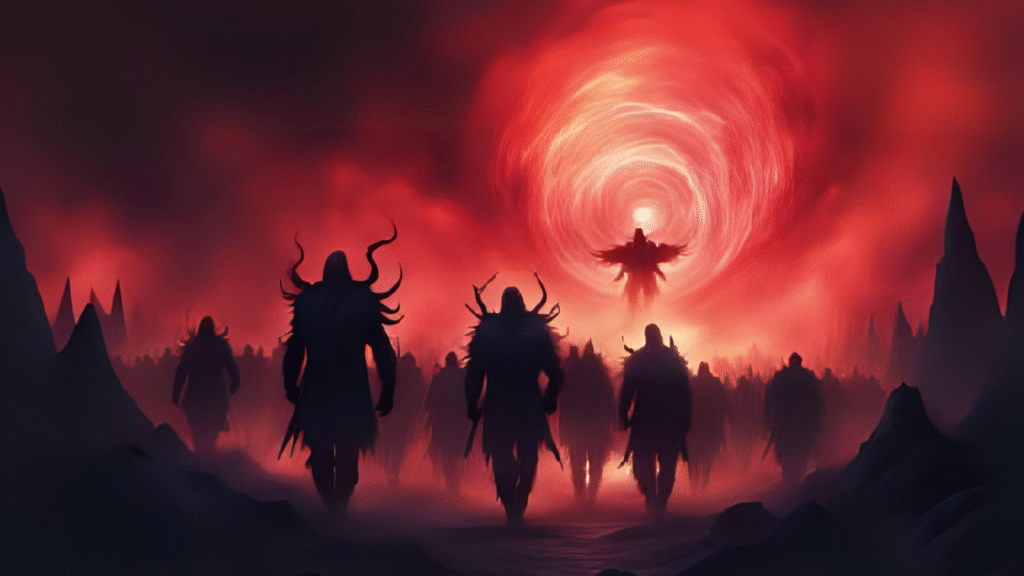
The aesthetic of dark fantasy relies on the sublime—the mixture of beauty and terror. It’s the sight of a crumbling castle against a blood-red moon. The aesthetic of grimdark relies on the visceral—the smell of a battlefield after the rain and the sound of a bone snapping.
The “Grey” Area
Of course, these genres aren’t silos. There is significant overlap. The Witcher series is a perfect example of a work that straddles the line. It has the monsters and folklore of dark fantasy, but the political cynicism and “lesser evil” philosophy of grimdark. When we look at dark fantasy vs. grimdark, we aren’t looking at two separate islands; we’re looking at two ends of a very murky swamp.
Conclusion: Choosing Your Darkness
Whether you prefer the supernatural chills of dark fantasy or the grueling realism of grimdark, both genres serve a vital purpose: they reflect the complexities of the human condition in ways that “bright” fantasy cannot. They acknowledge that life is hard, choices are messy, and the monsters—whether they have fangs or human faces—are very real.
The question isn’t which one is better; the question is: how much dirt do you want in your wounds? As we continue to explore the dark fantasy vs. grimdark divide, we find that the most compelling stories usually live in the grey areas between them.
Ready for an Unfiltered Journey?
If you crave stories that refuse to pull punches—where the magic is dangerous and the stakes are visceral—you’re in the right place.
[Click here to explore the latest works by CL Kan] and dive into worlds where the line between hero and monster is razor-thin. Don’t just read about the darkness—experience it.